
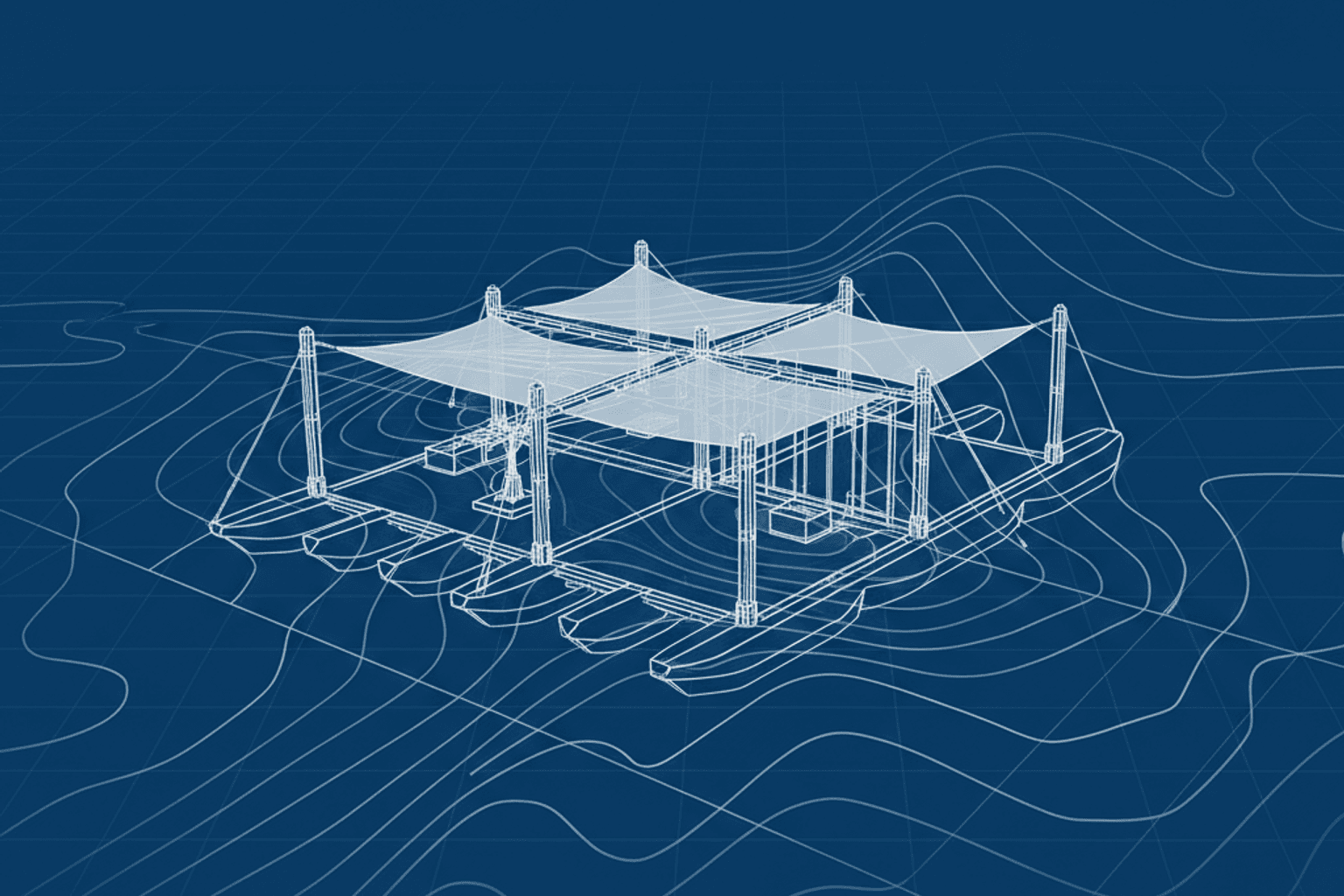



The Implication: Temporary Structures, Permanent Liability
For many architects, temporary structures—event tents, emergency healthcare annexes, or seasonal pavilions—are often treated as secondary components in the broader scope of site planning. However, a shifting regulatory tide within the International Code Council (ICC) suggests that these "temporary" elements are about to face permanent scrutiny.
If your firm designs for healthcare campuses, large-scale hospitality events, or municipal emergency response, the upcoming 2027 International Building Code (IBC) cycle contains a critical pivot point. The days of easily permitting temporary installations in flood-prone zones are numbered, and the compliance window is narrowing.
The Facts: Proposal S-179-25 and the 2027 IBC Cycle
According to a February 26, 2026 report by Specialty Fabrics Review, the ICC is currently advancing its Group B code development process for the 2027 edition of the IBC. The focal point of contention is Proposal S-179-25.
Originally drafted to impose an outright ban on temporary structures in floodways and high-hazard coastal areas, the proposal has undergone significant revision following industry pushback. Paul Armstrong, P.E., C.B.O., noting the developments from the Committee Action Hearing in Cleveland, reports that the committee has moved away from a total ban. Instead, the revised proposal introduces strict flood-proofing criteria and conditional installation requirements for these zones.
Key Dates for Architects:
- March 4, 2026: Official public comment hearing agenda posted.
- April 19, 2026: Public hearings begin in Hartford, Conn., where the final language will be debated.
The Analysis: Why This Matters for Your Practice
The shift from a "ban" to "conditional allowance" might sound like a win, but for the architect of record, it translates to increased technical complexity. The new criteria mean that temporary structures in flood plains will likely require a level of engineering rigor previously reserved for permanent edifices.
1. The Healthcare Sector Impact The healthcare industry has been a vocal advocate against the ban, citing the need for temporary triage tents and testing centers during emergencies. However, the new code will likely demand that these emergency structures meet specific resilience standards. Architects working on hospital master plans must now account for pre-verified, flood-proof zones for future temporary deployment.
2. Event and Hospitality Risks For high-end hospitality projects in coastal zones, temporary event structures are revenue drivers. If Proposal S-179-25 passes with its current flood-proofing criteria, the cost and feasibility of seasonal installations could change drastically. A site plan that relies on a floodway for a summer pavilion may no longer be viable under the 2027 IBC.
Action Plan: Future-Proofing Your Designs
To navigate these pending changes, firms should take immediate strategic steps before the 2027 code is formally adopted:
- Audit Your Site Pipelines: Review current and upcoming projects located in FEMA-designated floodways or high-hazard coastal zones. Identify any reliance on temporary structures for programming or operations.
- Monitor the Hartford Hearings: Pay close attention to the specific "flood-proofing criteria" discussed starting April 19. These technical specifics will dictate your future spec sheets.
- Engage Consultants Early: For projects in flood plains, bring in code consultants and structural engineers earlier in the schematic design phase to assess the viability of temporary elements under the proposed S-179-25 rules.
The Solution
Regulatory foresight is the difference between a stalled permit and a successful project delivery. To help you master these technical shifts, we have updated our professional development library.
Our course, 'Designing for Resilience: Navigating the 2027 IBC Flood Plain and Structural Proposals', offers a technical deep dive into Proposal S-179-25 and other Group B changes. We break down the new flood-proofing criteria and provide case studies on compliant temporary structure design, ensuring your firm remains ahead of the regulatory curve.